Applying Agentic AI In Industrial Maintenance
Introduction
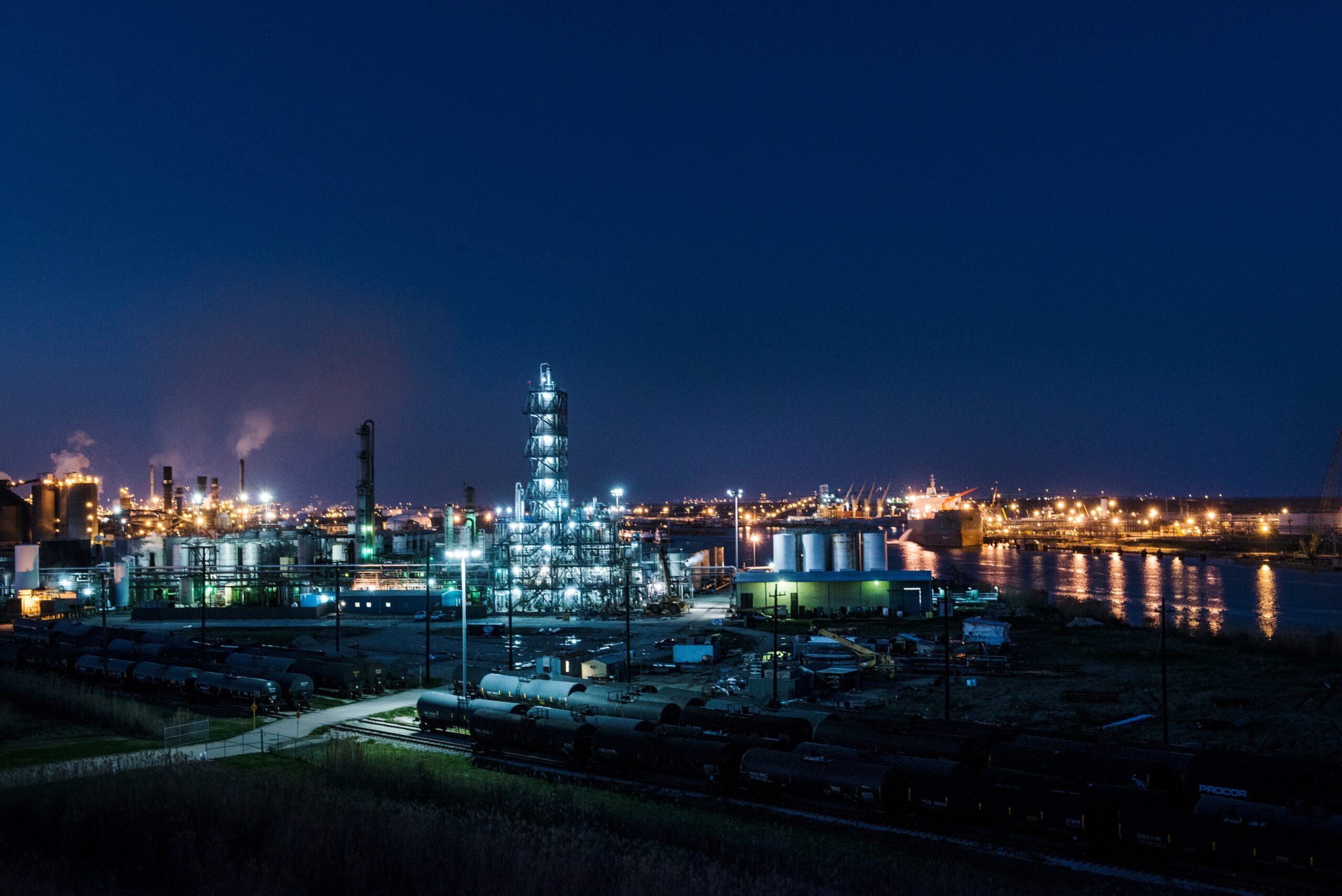
Industrial maintenance is a critical component in the operations of sectors like petroleum refining and mineral mining. These industries rely heavily on complex and powerful machinery, for instance a 25,000 HP FCC Offgas Compressor is a pivotal piece of rotating equipment in a petroleum fuels refinery. We will consider a hypothetical application of the proposed system for this piece of equipment. Effective maintenance of such machinery ensures operational continuity and safety, reducing the risk of unplanned downtimes that can lead to significant economic losses. With advancements in artificial intelligence, there are now more efficient ways to manage industrial maintenance through the implementation of AI powered agents. These agents can significantly enhance the maintenance protocols by automating the tracking of equipment condition, inventory management, and timely maintenance activities.
Agentic AI Predictive Maintenance Framework
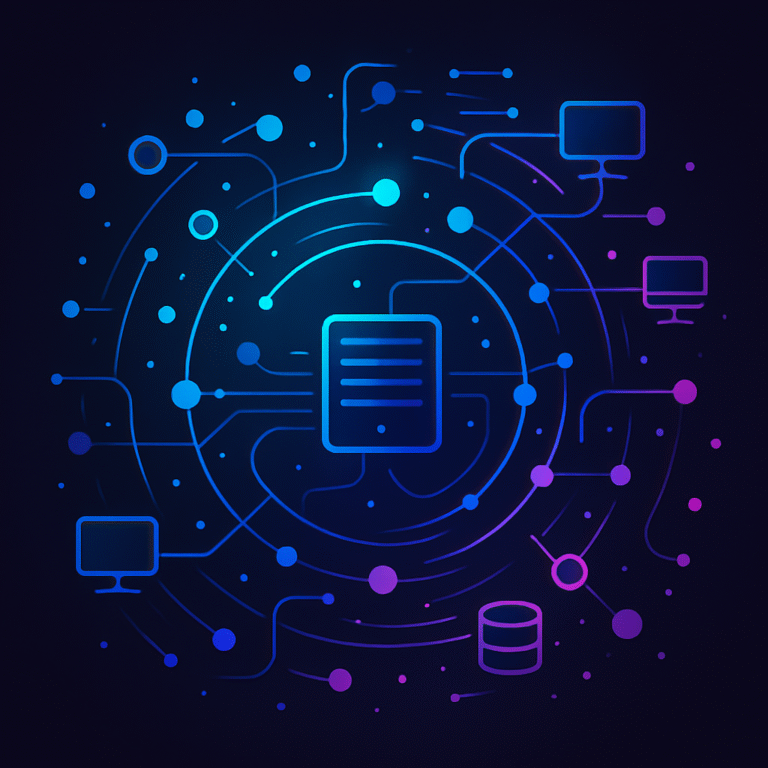
To transform traditional maintenance into a more predictive and efficient process, a three tier agentic AI based system can be implemented for major equipment maintenance within large industrial plants. This system comprises multiple AI agents, each specializing in distinct yet interconnected tasks, thereby creating a comprehensive maintenance management system.

AI Agent for Equipment Monitoring
The first agent in this framework is an LLM based Retrieval Augmented Generation functionality for querying the maintenance manual for a large equipment item, which would be embedded in a vector database store. Using language models, this agent identifies the necessary maintenance servicing intervals, required spare parts, and detailed procedures for each piece of equipment. For example, it could predict the servicing needs of a 25,000 HP FCC Offgas Compressor by analyzing the manual’s data and current machine metrics. A Fluidized Catalyic Cracking (FCC) unit is a very important unit for converting gas oil to gasoline and diesel. It is critical that this equipment is properly maintained as an FCC cannot be operated to crack gas oil if this compressor is not operating. This agent can preemptively schedule compressor maintenance tasks before potential faults can evolve into actual breakdowns. It is important to note that in this case we are discussing agentic AI maintenance management for one major piece of equipment in a refinery, however, it is important to consider that benefits will increase as a similar agentic AI based maintenance system is applied for all the major equipment in an industrial facility. In addition there may be important interrelationships between equipment functions which the AI based system can be trained to account for. As an example the AI system for a petroleum refinery could be trained to recognize which equipment items utilize important common services such as pressure relief systems, cooling water, fuel gas, and electrical power, as well as the process flow of products. In effect the AI system becomes a Maintenance and Plant Operations expert that works 24/7 for 365 days per year.
AI Agent for Spare Parts Inventory Management
The second agent can utilize agentic AI powered SQL tools to monitor and manage spare parts inventory efficiently. Once the first agent identifies the required spare parts for upcoming maintenance, this second agent checks the inventory to verify the availability of these parts. If parts are unavailable, it automatically initiates procurement processes, ensuring that all necessary components are on hand when needed. This reduces delays in maintenance procedures, which is crucial for time-sensitive operations.
AI Agent for Maintenance Tracking
The third AI agent in the system utilizes agentic AI SQL tools focusing on tracking the maintenance database. It flags any servicing activities that are about to become overdue, issuing preventative maintenance warnings. This agent ensures that all maintenance activities are carried out within their designated timeframes, preventing any oversight that might lead to equipment failure. In the event of unscheduled downtime this system could quickly execute SQL queries to identify all major equipment equipment in the plant with scheduled maintenance in the near future so that opportunistic maintenance can be performed.
Implementation in Emergency Scenarios
In emergency situations, for example a sudden failure of a 25,000 HP FCC Offgas Compressor, this agentic AI system proves particularly beneficial. When maintenance must be performed on short notice, the agents collectively ensure that the right procedures are followed, spare parts are available, and actions are taken promptly to address the issue. In addition maintenance which needs to be performed on auxiliary equipment can be clearly identified and performed at the most opportune time. This coordinated response minimizes downtime and helps to mitigate the economic impact on refinery operations.
Steps for Implementation
To deploy this AI based maintenance system, the following general process can be followed: First, an LLM based agents using Retrieval Augmented Generation (RAG) to query embedded historical data and maintenance manuals specific to the equipment would be implemented. Next, agentic AI agents using SQL tools would be integrated with the facility IT system so that equipment maintenance records, maintenance scheduling software, spare parts inventories, and the spare parts procurement system could be accessed. In addition there are usually important interrelationship between equipment functions which the AI based system could be trained to account for. As an example the AI system for a petroleum refinery should be trained to recognize which equipment items utilize important common services such as pressure relief systems, cooling water, fuel gas, and electrical power, as well as the process flow of feedstocks and products through the equipment. Regular updates and training enhancements should be scheduled to keep the agents aware of any changes in equipment or maintenance protocols. Finally, a monitoring system would be set up to evaluate the performance of this AI based approach, allowing for continual improvement based on operational feedback and evolving AI technologies.
Conclusion:
The integration of AI into industrial maintenance can revolutionize how facilities manage their machinery maintenance. By using AI agents to monitor equipment conditions, manage spare parts inventories, and ensure timely maintenance scheduling, plants can significantly reduce the incidence of unplanned downtimes. The manpower required to manage the maintenance system is significantly reduced. Implementing such a system across all major equipment in large industrial plants not only enhances efficiency but also boosts overall operational reliability and safety. As industries continue to embrace these technologies, the potential for AI to improve other facets of industrial operations remains vast and largely untapped. This transformative approach exemplifies the future of industrial maintenance, where technology meets practicality to create a safer, more efficient operational environment. Although we focused on predictive maintenance in this blog, there are many additional applications which can be implemented. One area which we will discuss in a future blog is Industrial Virtualization which is also discussed in this Nvidia case study. Contact us and allow us to provide a proposal for how we can assist you to improve the performance of your industrial facility!